
Shanghai Weiwang | Flood-door maintenance and rectification
After a flood door has been installed, how can you confirm that it can still effectively keep out water? Verify this through third-party witnessed testing after maintenance and rectification.
After a flood door is installed and handed over, long-term use and changes in site conditions may affect its water-resisting performance. Aging sealing strips, loosened compression fittings, debris accumulated in the door channel, impacts during handling, and construction on surrounding walls or floors may all create potential leakage risks.
Whether routine maintenance is being carried out properly, whether identified problems have been addressed, and how well the door resists water after repairs are all matters that flood-door users need to monitor continuously.
Shanghai Weiwang provides flood-door maintenance and rectification services, and commissions an ISO/IEC 17020-accredited third-party inspection body to conduct witnessed testing, linking equipment inspection, maintenance and rectification, and performance verification.
Start with an on-site inspection to identify issues affecting use
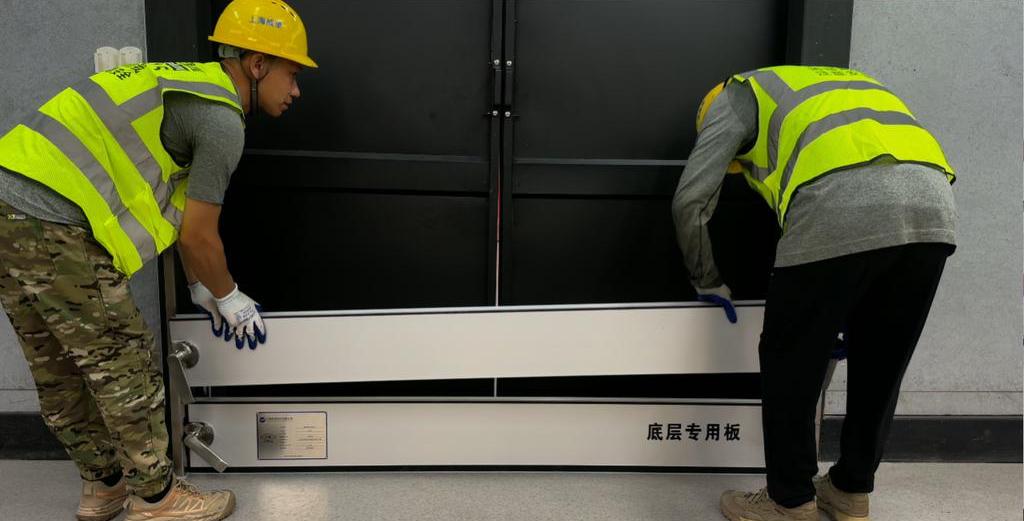
Maintenance begins with understanding the actual condition of each flood door. Shanghai Weiwang checks the door panels, sealing strips, side frames, floor tracks, compression devices, fixing components, and the connection points between the door body and the walls and floor, taking into account the product configuration and site conditions.
For removable flood doors, attention must also be paid to door-panel storage, the completeness of accessories, the installation sequence, and operation, helping users locate the equipment, assemble all components, and install it correctly when deployment is required.
Inspection results are recorded against the equipment number and installation location, giving subsequent rectification a clearly identified subject and making the history of maintenance traceable.
Implement rectification for identified problems and restore normal operating condition
Based on the problems identified during inspection, Shanghai Weiwang develops an appropriate maintenance and rectification plan, which may include cleaning the door channel, adjusting compression devices, replacing damaged or aged seals, addressing loose parts, and repairing related interfaces.
The rectification process records the problem location, work performed, components replaced, and completion status, so users can clearly understand what maintenance was carried out on each door and which problems were resolved.
Maintenance can be coordinated with annual management plans and pre-flood-season preparations. Inspections and maintenance can also be performed on affected areas after an impact, flooding, or construction work in the surrounding area.
Confirm the post-rectification water-resisting performance through third-party witnessed testing
After maintenance and rectification are completed, Shanghai Weiwang arranges performance verification as required by the project and commissions an ISO/IEC 17020-accredited third-party inspection body to conduct witnessed testing.
Before testing, the door under test, installation configuration, test water level, duration, method for recording leakage, and evaluation basis are defined. During testing, site conditions, leakage locations, and actual performance are recorded, and a corresponding third-party witnessed-test report is prepared.
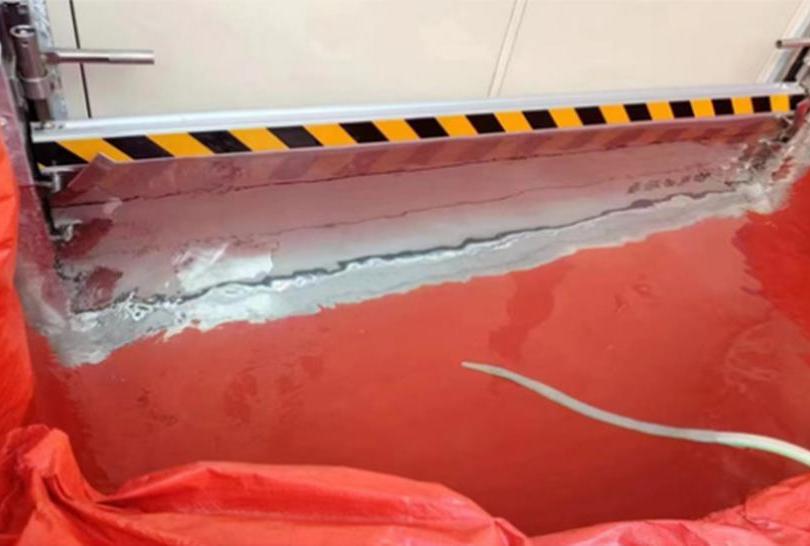
The value reflected by ISO/IEC 17020 accreditation lies in its requirements for the professional competence, impartiality, and consistency of inspection activities of inspection bodies. Through third-party witnessing, the performance evaluation after rectification has clearly defined conditions, process records, and a basis for its results, making it easier for owners and other project stakeholders to review.
Make every maintenance action documented, verified, and results-based
Shanghai Weiwang cross-references equipment files, inspection records, rectification documentation, and third-party witnessed-test reports, helping users understand the entire process from identifying problems and carrying out repairs to verifying the results.
For flood doors that have not been maintained for many years, have deteriorated sealing performance, or have incomplete historical records, the process can begin with an on-site inspection to determine the rectification work, followed by witnessed testing to understand the actual water-resisting performance after maintenance.
Shanghai Weiwang
Flood-door maintenance and rectification | Third-party witnessed testing
Frequently Asked Questions
The following answers summarize this article; the Chinese source text is retained unchanged.
How can water-resisting performance be checked after flood-door repairs?
After inspection and targeted rectification, define the door under test, installation configuration, water level, duration, leakage-recording method and evaluation basis. Arrange third-party witnessed testing as required by the project and record the site conditions and observed performance.
Which components should be inspected during flood-door maintenance?
Check the panels, sealing strips, side frames, floor tracks, compression devices, fixing components and wall/floor connections. For removable doors, also review panel storage, accessory completeness, installation sequence and operation.
When should flood doors be inspected and maintained?
Maintenance can be coordinated with annual management plans and pre-flood-season preparations. Inspections and maintenance can also be performed on affected areas after an impact, flooding or nearby construction.
What does ISO/IEC 17020 accreditation mean for third-party witnessed testing?
The accreditation described in this article applies to the third-party inspection body and addresses competence, impartiality and consistency of inspection activities. Witnessed testing provides defined test conditions, process records and a basis for the performance evaluation for owners and project stakeholders to review.
Discuss your flood-door inspection and maintenance needs
Start with an on-site inspection and agree on maintenance, rectification and verification arrangements based on equipment condition and project requirements.
Contact Us